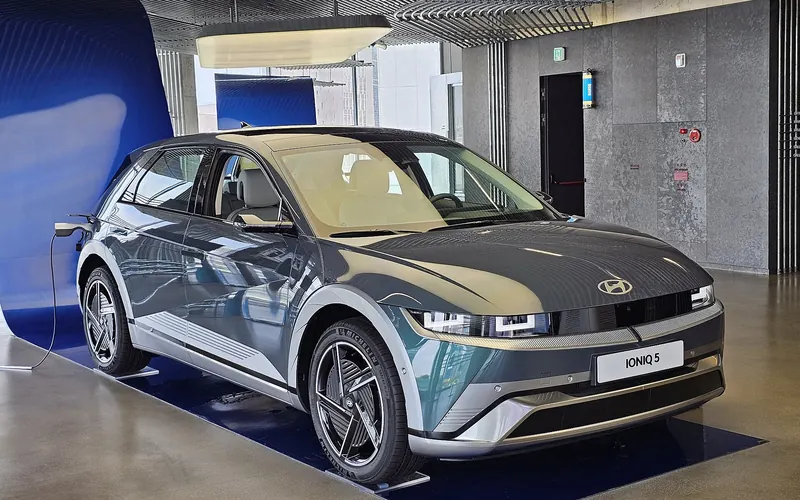
Photo: Damian B Oh, CC BY-SA 4.0, via Wikimedia Commons
Hyundai Ioniq 5 Price in the Philippines (2026)
Hyundai Ioniq 5 Philippines 2026: electric crossover from ₱2,870,000, up to 570 km WLTP range, plus the 650 PS Ioniq 5 N. Specs, pros and cons.
- TypeCompact electric crossover
- Seats5
- EngineElectric, rear motor (2WD) / dual motor (N)
- TransmissionSingle-speed
- DrivetrainRWD / AWD (N)
- Fuel / powerElectric
Hyundai Ioniq 5 variants and prices
| Variant | Transmission | SRP | 20% down | Est. monthly* |
|---|---|---|---|---|
| EV GL 2WD Standard Range | Single-speed | ₱2,870,000 | ₱574,000 | ₱48,783 |
| EV GLS 2WD Standard Range | Single-speed | ₱3,098,000 | ₱619,600 | ₱52,659 |
| EV GLS 2WD Long Range | Single-speed | ₱3,728,000 | ₱745,600 | ₱63,367 |
| Ioniq 5 N EV AWD | Single-speed | ₱4,250,000 | ₱850,000 | ₱72,240 |
Prices: suggested retail prices from hyundai.com, checked October 2026. *Estimate with 20% down, 60 months, 10% a year; your bank's rate and fees will differ. Try your own numbers.
Ioniq 5 overview
The facelifted Ioniq 5 is on HMPH's October 2026 price list in three rear-drive trims: EV GL 2WD Standard Range at ₱2,870,000, EV GLS 2WD Standard Range at ₱3,098,000 and EV GLS 2WD Long Range at ₱3,728,000. The high-performance Ioniq 5 N is listed separately at ₱4,250,000.
According to HMPH, the Standard Range cars use a 125 kW (170 PS) rear motor with 350 Nm, while the Long Range gets 168 kW (229 PS) and 350 Nm, along with a WLTP range of up to 570 km. On a 350 kW DC charger, HMPH says the battery goes from 10 to 80 percent in 18 minutes, although 350 kW public chargers are still uncommon in the Philippines. The Ioniq 5 N is a different animal: HMPH quotes 650 PS with N Grin Boost and 0 to 100 km/h in 3.4 seconds. Carmudi lists a 4,635 mm body and 160 mm of ground clearance.
Ownership is where an EV earns its price. Charging at home overnight usually costs much less per kilometer than gasoline, there are no oil changes, and the DOE has confirmed that EVs are exempt from number coding under the EVIDA law. The catch is upfront cost and charging access. Before you buy, make sure you can install a wall charger where you park, and plan longer trips around fast chargers. The Long Range is the one to get if you often drive to Batangas or Pampanga and back in a day. The Standard Range GL is fine for mostly city use and saves ₱858,000.
Who it is for: Buyers who can charge at home and want a roomy, fast-charging EV for daily driving, with no number coding.
Ioniq 5 specifications
| Spec | Hyundai Ioniq 5 |
|---|---|
| Body type | Compact electric crossover |
| Seats | 5 |
| Powertrain | Battery electric |
| Engine | Electric, rear motor (2WD) / dual motor (N) |
| Power (hp) | 168–641 |
| Torque (Nm) | 350 |
| Transmission | Single-speed |
| Drivetrain | RWD / AWD (N) |
| Range (km) | up to 570 (WLTP, Long Range RWD) |
| Length (mm) | 4,635 |
| Ground clearance (mm) | 160 |
Generation: First generation (NE), facelift. Specs vary by variant; check the brochure for your exact trim.
Pros and cons
What we like on paper
- Up to 570 km WLTP range on the Long Range
- 18-minute 10–80% charging on a 350 kW charger, per HMPH
- Exempt from number coding as an EV
What to consider
- Long Range costs ₱630,000 more than the GLS Standard Range
- Fast public charging still limited outside Metro Manila
Ioniq 5 rivals
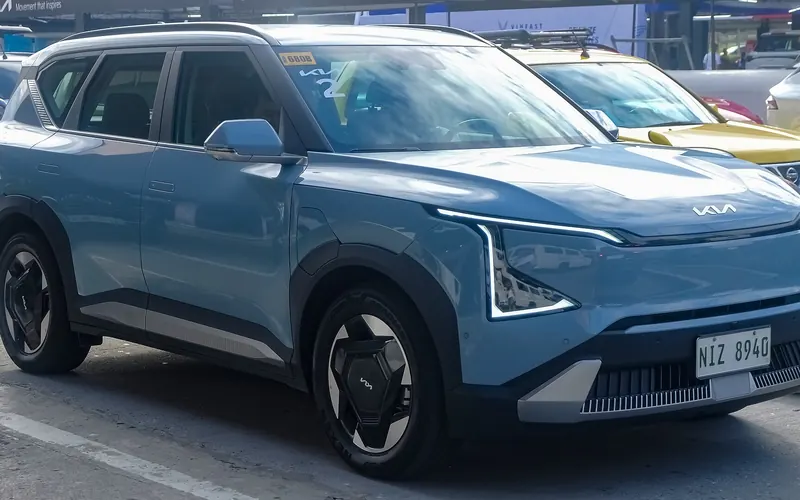
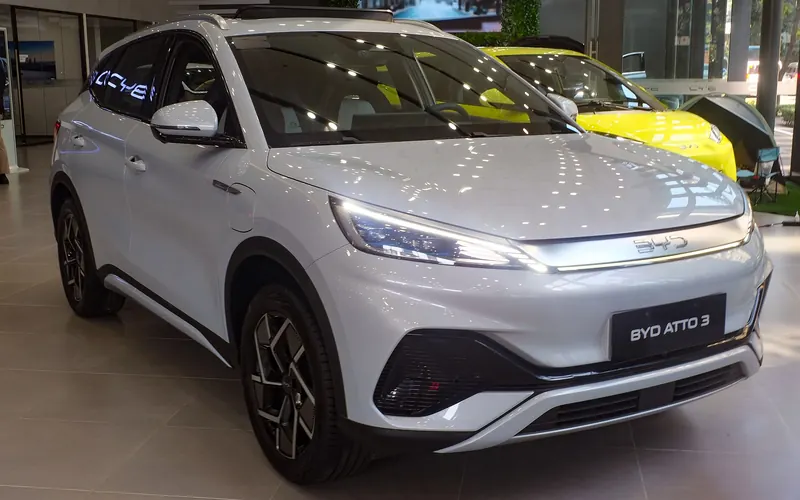
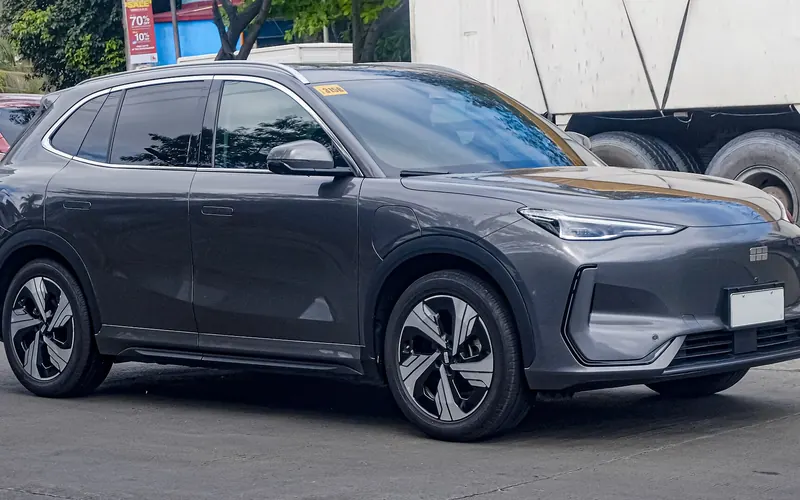
Hyundai Ioniq 5 FAQ
How much is the Hyundai Ioniq 5 in the Philippines?
HMPH's October 1, 2026 price list: EV GL 2WD Standard Range ₱2,870,000, EV GLS 2WD Standard Range ₱3,098,000 and EV GLS 2WD Long Range ₱3,728,000. The Ioniq 5 N costs ₱4,250,000.
What is the Ioniq 5's driving range?
HMPH quotes up to 570 km on the WLTP cycle for the rear-drive Long Range version. Standard Range cars go less far, and real-world range drops with highway speed and heavy air-con use.
Is the Ioniq 5 exempt from number coding?
Yes. The DOE has said battery EVs are exempt from number coding under the EVIDA law (RA 11697).